

Aromatherapy at Home: Which Essential Oil to Use in Each Room
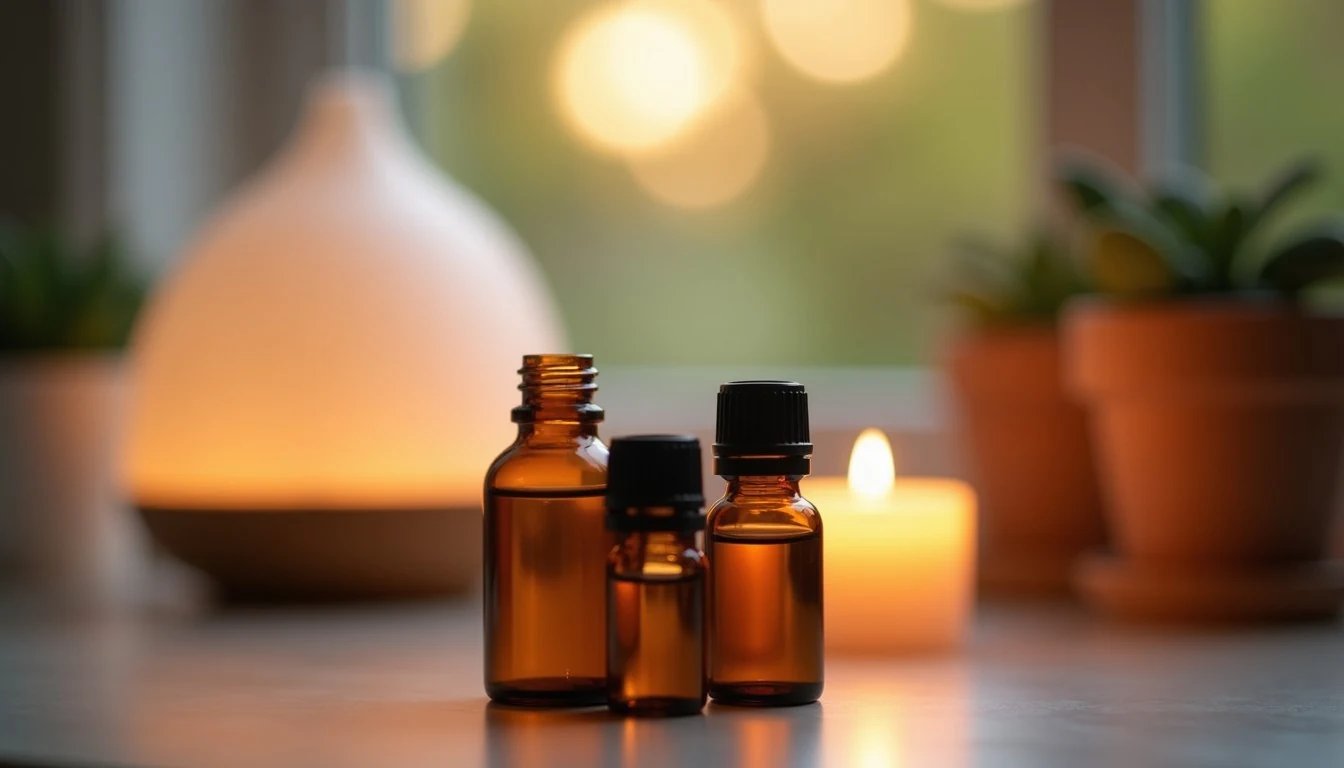
Coming home, switching on the diffuser and feeling the room change in a matter of minutes has something of a little ritual about it. Aromatherapy at home has become one of the simplest and most enjoyable ways to look after your mood and create spaces you actually want to spend time in. You don’t need anything complicated: a good essential oil, the right diffusion method, and a sense of which scent suits each corner best. In this guide we’ll take a calm look at which essential oil to use in every room of your home, how they work, how to diffuse them and, just as importantly, how to do it safely.
What aromatherapy is and how scent influences your mood
Aromatherapy is the use of essential oils —the concentrated aromatic extracts of plants, flowers, leaves, bark or peel— to support our everyday wellbeing. At home we mostly think of it as a way to scent a space and set a mood: relaxing in the living room, fresh in the bathroom, energising in the work area.
Why can a smell change how we feel? The explanation lies in how we process scents. The sense of smell is closely connected to the limbic system, the part of the brain linked to emotions and memory. That’s why a particular aroma can transport us to a memory or help us feel calmer or more alert. It isn’t magic, it’s biology: the scent enters through the nose and “talks” directly to the most emotional part of the brain.
It helps to be clear from the start: aromatherapy is a support for wellbeing, a tool for creating pleasant spaces and encouraging a feeling of calm or energy. It is not a medical treatment and never replaces the advice of a health professional. With that healthy expectation, it’s very easy to enjoy.
The main essential oils and what they’re used for
Before spreading them around the house, it’s worth getting to know the leading players. These are the most popular essential oils and the feeling they tend to bring:
- 🌿 Lavender: the great relaxing classic. A soft, floral aroma strongly associated with calm and a restful atmosphere. It’s probably the most versatile oil to start with.
- 🍊 Orange and citrus (lemon, mandarin, grapefruit, bergamot): fresh, bright and cheerful. They bring a sense of positive energy and cleanliness, ideal for “waking up” a room.
- 🌬️ Eucalyptus: an intense, fresh, menthol aroma. It conveys a sense of space and clear air, very pleasant in spaces where you’re after freshness.
- 🌱 Mint (spearmint/peppermint): lively and refreshing. Associated with concentration and a sense of clarity and vitality.
- 🌳 Tea tree: a herbaceous, penetrating aroma closely linked to cleaning routines and to spaces we want to feel fresh and well cared for.
- 🌾 Rosemary: herbaceous, deep and stimulating. It’s usually associated with mental focus and a sense of activity, perfect for study areas.
- 🌸 Ylang ylang: floral, sweet and intense. It adds a sensual, enveloping touch, lovely for moments of relaxation and switching off.
Each oil has its own character, and the beautiful thing about aromatherapy is discovering which ones suit you. You can explore them in more detail in our wellness and health section, where you’ll find essential oils for every moment of the day.
Which essential oil to use in each room
Here’s the practical part: how to assign each space the aroma that best matches what you do there. The idea is simple —to have the atmosphere “play” in harmony with the room’s purpose.
Living room: relaxation and a welcoming mood
The living room is the heart of the home, the place where we gather and unwind. Balanced, cosy aromas work wonderfully here. Lavender brings calm without feeling heavy, and ylang ylang creates an enveloping atmosphere for quiet evenings. If you have guests over or want something a bit brighter, a blend with orange adds a warm, sociable touch. A real winner is lavender with a hint of citrus: relaxing yet cheerful.
Bedroom: quality rest
In the bedroom the goal is to invite calm and prepare the body for rest. Lavender is the undisputed queen: its gentle aroma helps build a relaxing routine before sleep. Mandarin (a sweeter, calmer citrus than orange) and a touch of ylang ylang also fit beautifully. The key is moderation: just a few drops and, ideally, diffusing for a while before bed rather than all night long. Creating this little nighttime ritual fits perfectly with the philosophy of slow living and wellbeing rituals at home.
Bathroom: freshness and cleanliness
The bathroom calls for a sense of freshness and cleanliness. This is where eucalyptus, tea tree and citrus oils such as lemon shine. Eucalyptus brings that spa-like sense of clear air, perfect after a hot shower. Tea tree and lemon convey cleanliness and leave a very pleasant fresh scent. It’s one of the spaces where minty aromas look their best.
Study or work area: concentration
For the home office or study corner we’re looking for mental clarity and energy. Rosemary and mint are the great allies of focus: lively aromas that help you feel awake and alert. A touch of lemon adds freshness and a sense of order. If you have a long day ahead, a blend of mint and citrus can be that little aromatic boost to keep you from flagging.
Entrance or hallway: first impression
The hallway is the first thing you smell as you walk in, so it deserves a welcoming, clean aroma that greets you. Citrus oils (orange, lemon, bergamot) are perfect: fresh, bright and universally pleasant. A hint of eucalyptus adds that sense of a well-kept, airy home. It’s the ideal spot for aromas that say “come in, it’s nice here.”
Kitchen: neutralise and refresh
In the kitchen, citrus aromas are unbeatable for freshening the air and masking cooking smells. Lemon, orange and grapefruit bring cleanliness and vitality. A touch of spearmint is also very fresh. That said, in the kitchen it’s best to ventilate well and diffuse sparingly so the aroma complements your dishes rather than competing with them.
Diffusion methods: how to carry scent into the air
Having good oils is only half of it: the diffusion method makes all the difference in intensity, reach and convenience. These are the main ones:
- 💧 Ultrasonic diffuser: the star method. It uses water and vibrations to disperse a fine aromatic mist, without heat and very evenly. It’s convenient, safe and lets you control the intensity. If you want to really understand how to get the most out of them, we recommend this guide to ultrasonic diffusers and how to use them.
- 🌫️ Vaporisation or nebulising diffusion: disperses the pure oil without water, achieving a more concentrated aroma. It packs a punch, ideal for large spaces, though it’s best used in short sessions.
- 🕯️ Air fresheners and other methods: reed diffusers, scented sprays or a few drops on absorbent items are simple options for a steady, gentle aroma without electricity.
Whatever the method, one golden rule: less is more. Start with a few drops and adjust. A subtle aroma is far more pleasant and longer-lasting than an overpowering one, which ends up tiring your sense of smell.
Safety when using essential oils
Essential oils are highly concentrated substances, so they deserve respect. Enjoying them sensibly is very easy if you keep these precautions in mind:
- 🚫 Do not ingest: unless specifically advised by a professional, essential oils are not to be drunk or swallowed. Their home use is aromatic.
- 🧴 Always dilute for the skin: never apply pure essential oil directly to the skin. If you’re going to use it in contact with the skin, mix it with a carrier vegetable oil (almond, coconut, jojoba) and do a small patch test first.
- 👶 Caution with children: little ones are more sensitive. Diffuse in short sessions, in small amounts, in ventilated rooms, and avoid certain intense oils (such as eucalyptus or mint) around babies.
- 🤰 Pregnancy and breastfeeding: during pregnancy and breastfeeding it’s wise to be cautious and consult your healthcare professional before using essential oils.
- 🐾 Pets: very important. Some essential oils are toxic to dogs and, especially, to cats (cats metabolise certain compounds very poorly). Tea tree, mint, citrus, eucalyptus or pine can be dangerous for them. If you have pets, diffuse in well-ventilated spaces, never in a closed room with the animal, always leave a way out so they can move away, and if in any doubt consult your vet.
- 🪟 Ventilate: diffuse in airy rooms and in limited sessions. There’s no need to keep the diffuser running for hours on end; the aroma works better in batches.
These same sensible guidelines also apply if you combine aromatherapy with your home routines; for example, when integrating it with eco-friendly home cleaning in which you already use natural products.
How to choose quality essential oils
Not all aromatic products on the market are the same, and quality shows in both the aroma and the experience. To get it right, look out for these points:
- 🔍 Purity: look for pure essential oils, ideally with the plant’s botanical name (in Latin) shown on the label. That’s a sign you know exactly what you’re diffusing.
- 🏷️ Clear information: a good label states the origin, extraction method and usage recommendations. Transparency is a good sign.
- 📦 Suitable packaging: essential oils keep better in dark glass bottles, which protect them from light, and tightly closed.
- 👃 The aroma speaks: a quality oil smells nuanced and natural, not flat or excessively “synthetic.”
At Club Essens we work with Essens-brand products designed for everyday care and wellbeing. You can explore the full range in our online shop and choose the aromas that best suit each room of your home.
Frequently asked questions about aromatherapy at home
How many drops of essential oil should I put in the diffuser?
It depends on the size of the room and the diffuser, but as a general guide, 3 to 6 drops in the water tank of a household ultrasonic diffuser is usually enough. It’s best to start with a little and adjust to the intensity you find pleasant. Remember: a subtle aroma always feels better than an overpowering one.
How long should I keep the diffuser running?
Short sessions are more advisable than running it for hours at a stretch. Diffusing in batches of 30 to 60 minutes, with the room ventilated, is usually more than enough to scent the space. Many diffusers include a timer or intermittent mode for exactly this reason.
Can I mix several essential oils?
Yes, and it’s part of the fun. Blends let you create aromas to your taste: lavender with citrus for a bright relaxation, mint with rosemary for concentration, or eucalyptus with lemon for freshness. Start with two or three oils and a few drops until you find your favourite combination.
Does aromatherapy help with better sleep or reducing stress?
Aromatherapy can help you create a more relaxing atmosphere and a pleasant ritual before sleeping or unwinding, which many people experience as a support for their wellbeing. That said, it is not a medical treatment and does not cure sleep or anxiety problems. If you have persistent difficulties, the right thing to do is consult a health professional.
Are essential oils safe if I have a dog or cat?
You need to be careful. Some oils are toxic to animals, especially to cats. If you have pets, diffuse only in well-ventilated spaces, never shut in with the animal, let them move freely away from the aroma, and avoid applying anything directly to them. If in any doubt, always consult your vet.
Where do I start if I’ve never used aromatherapy?
The simplest way is to get yourself an ultrasonic diffuser and one or two versatile oils, such as lavender and orange. With that base you can already scent the living room, the bedroom or the hallway, and expand your collection as you discover which aromas suit you best.
Create your aromatic home step by step
Aromatherapy at home is one of those small everyday luxuries that’s within anyone’s reach: all it takes is choosing the right oil for each room, diffusing it in moderation and doing it safely. Lavender to rest, citrus to brighten the mood, mint and rosemary to concentrate, eucalyptus to refresh… little by little you’ll create your own aromatic map of the home.
If you fancy getting started or expanding your collection, take a look at the Essens-brand essential oils and diffusers in our online shop. Your home, and your mood, will notice the difference. 🌿
